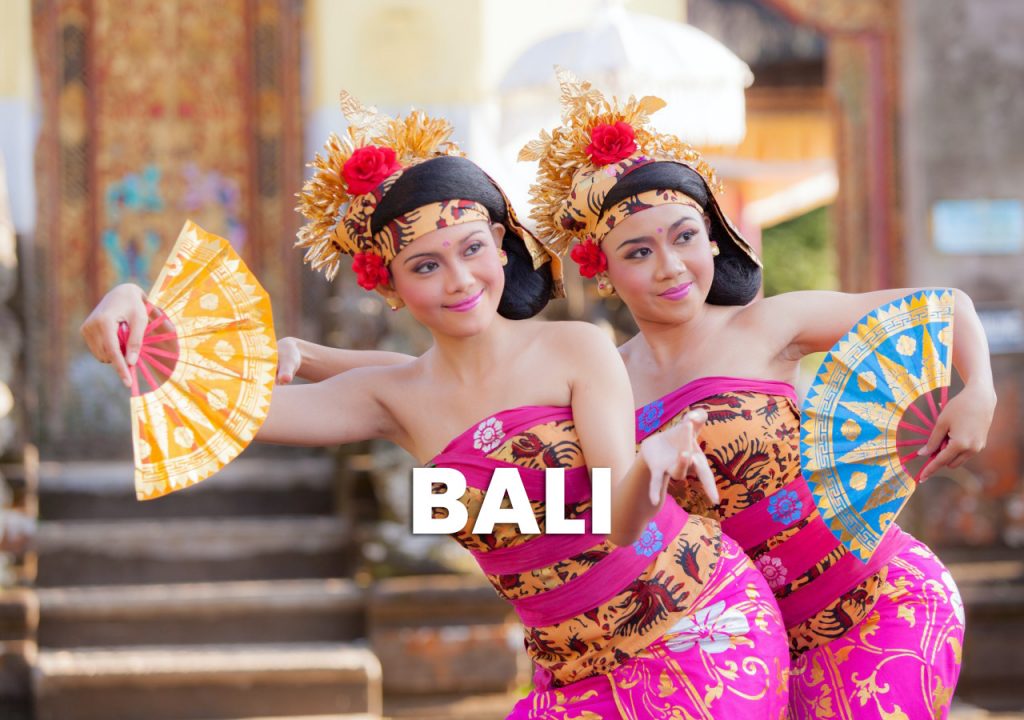
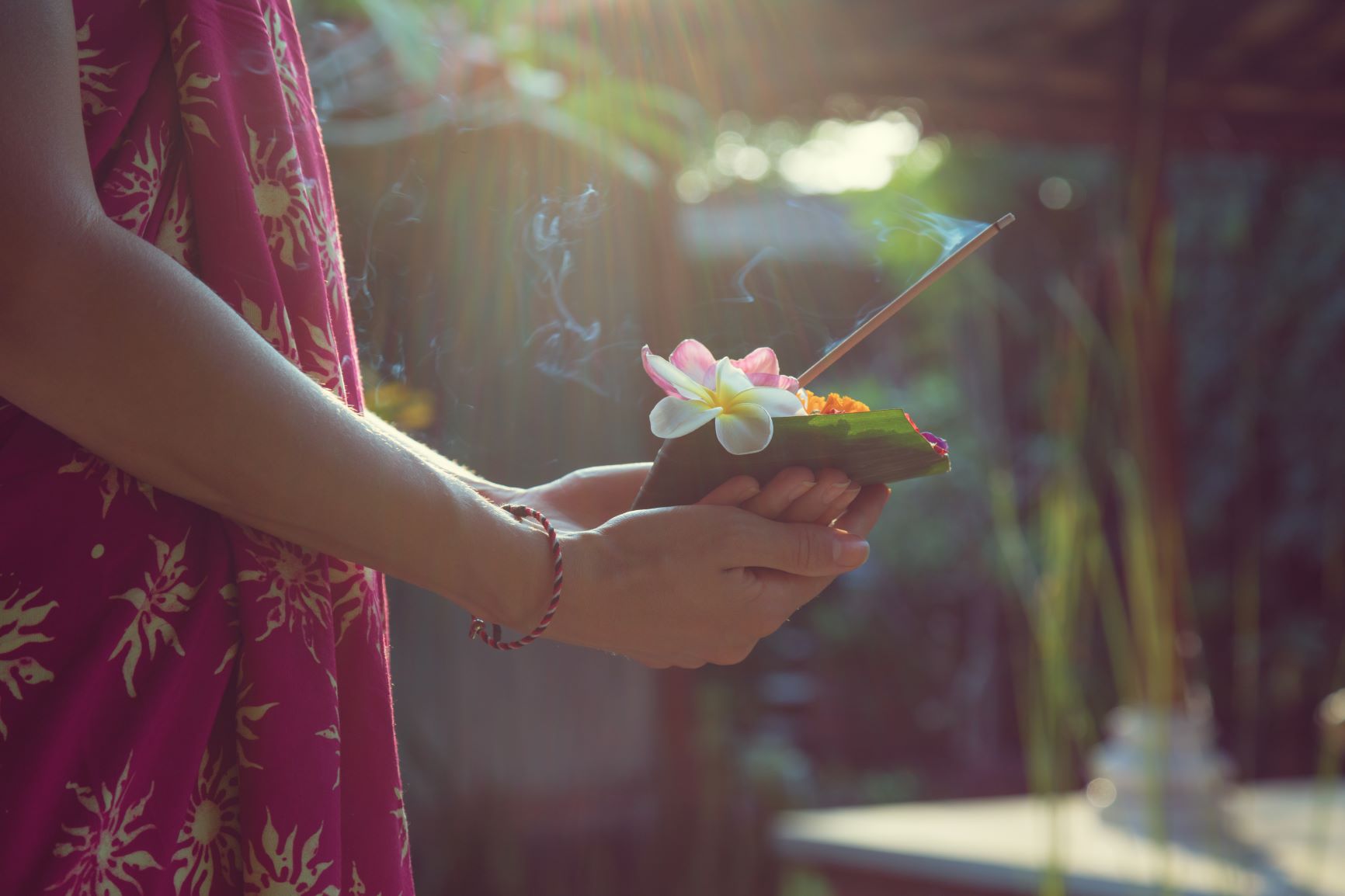
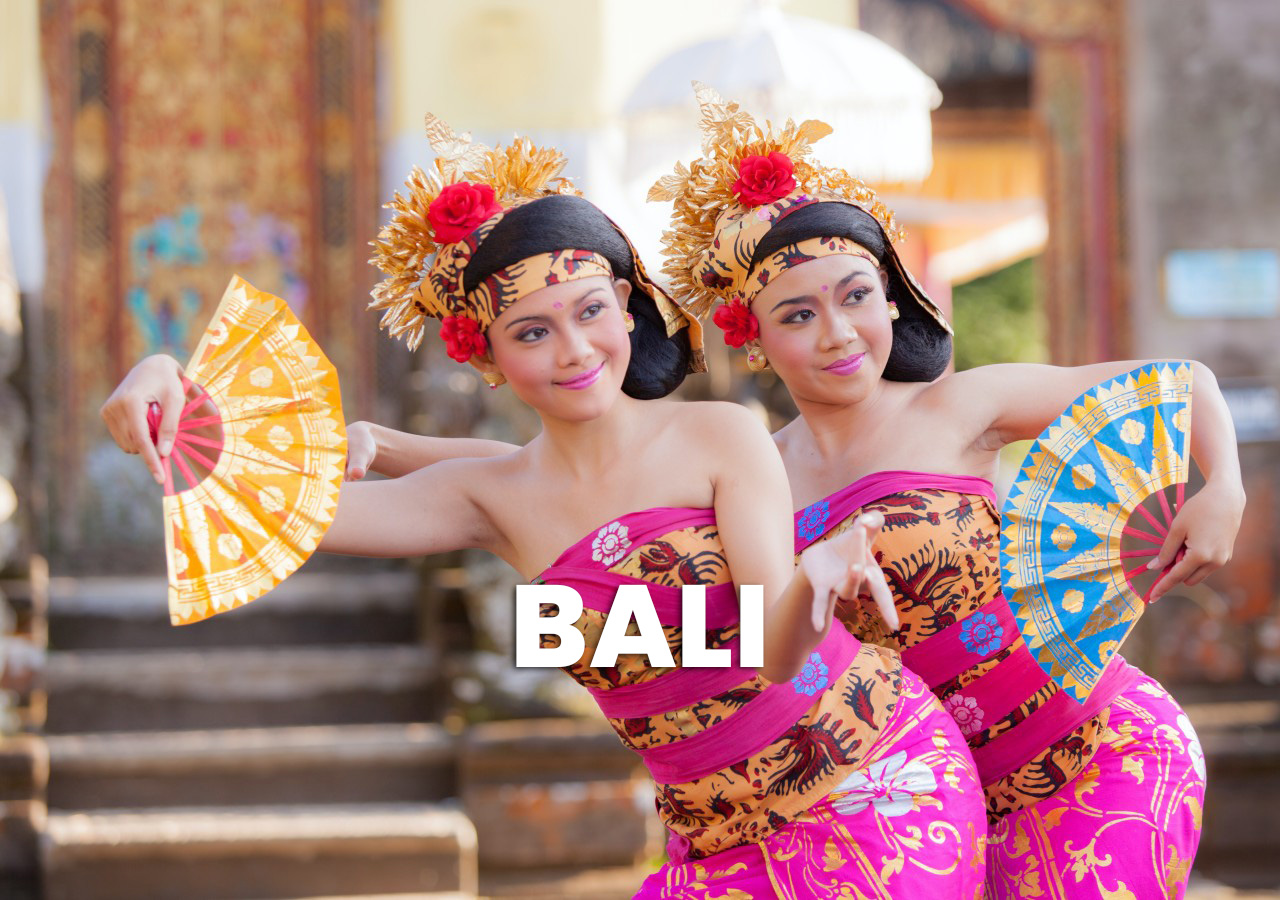
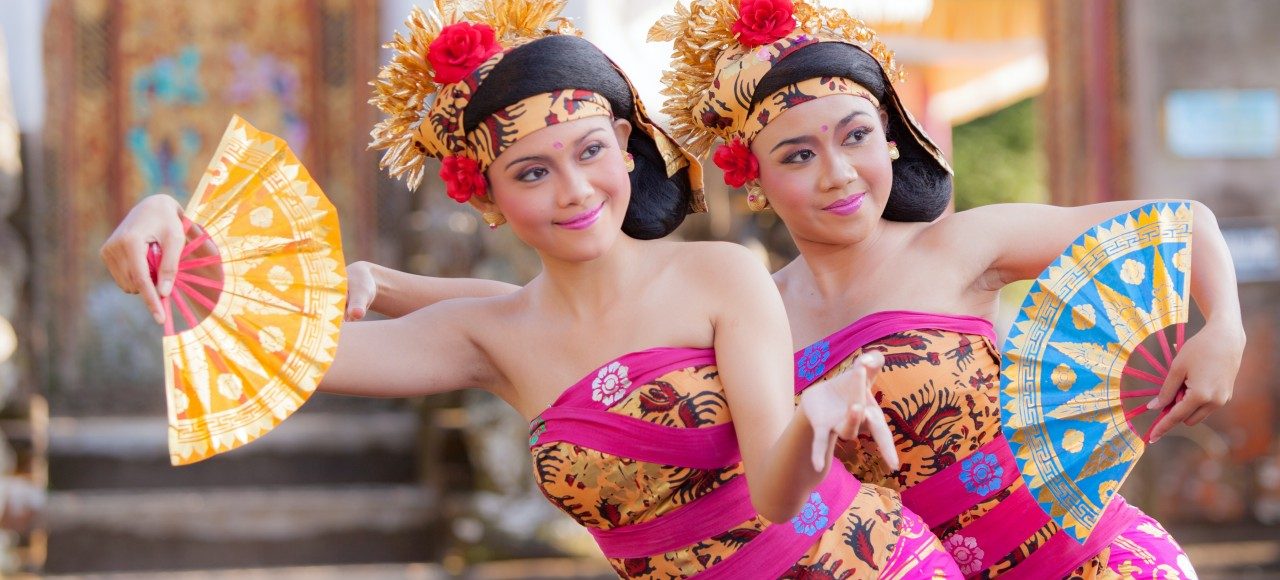
Every year, Bali comes to a complete standstill for 24 hours in celebration of Nyepi (day of silence), the Balinese New Year. Unlike the noisy celebrations typical of New Year’s celebrations around the world, Nyepi is a day of silence, reflection and spiritual renewal. The island, known for its vibrant energy and bustling tourism, transforms into a tranquil retreat as shops close, streets are empty and even the airport shuts down. This year Nyepi is celebrated on the 29th of March 2025.
Nyepi (day of silence), a holiday celebrated on Bali on the Hindu Saka New Year, is deeply rooted in Balinese Hindu tradition. It marks a time of self-reflection, meditation and purification. The core philosophy behind Nyepi is to cleanse the island of negative energies and restore harmony between man, nature and the divine. By observing a full day of silence, the Balinese believe they can trick evil spirits into thinking the island is deserted, thereby preventing bad luck in the coming year.

The days leading up to Nyepi are filled with unique and symbolic rituals:
Ogoh-ogoh is one of the traditions of the Balinese people to welcome the celebration of the holy day of Nyepi. The Ogoh-ogoh tradition which is held before the Nyepi celebration, has its own meaning and history. The word ogoh-ogoh comes from the Balinese word “ogah-ogah”, which means something that is shaken.
The meaning of ogoh-ogoh reflects negative human nature. Ogoh-ogoh also expresses religious values and sacred time-space based on religious literature. Furthermore, Ogoh-ogoh is a creative work channeled through expressions of beauty and togetherness.
Ogoh-ogoh is usually performed in the form of a march or parade. The Parade has a philosophy that requires people to protect each other’s nature and resources so as not to damage the surrounding environment.
The ogoh-ogoh parade is carried out by parading around the village or staging. Those who parade usually drink wine to signify the bad nature of man. The weight carried during the parade ends with the burning of the Ogoh-ogoh until it is used up. The parade takes place from the late afternoon until the night. The best locations to go and see the parade are: Patung Catur Muka (Denpasar), Plaza Renon (Denpasar), Jalan Cok Agung Tresna (Denpansar), Sanur Area (Sanur), Legian Area (Kuta), Nusa Dua-BTDC-ITDC (Nusa Dua) and Ubud.
For 24 hours, from 6am until 6am the next day, the Balinese observe four main restrictions known as Catur Brata Penyepian:
Even tourists are expected to follow these rules when staying in hotels where minimal services are provided. The entire island is in silence, creating a rare opportunity for deep meditation and reflection.
After a full day of silence, Nyepi is followed by Ngembak Geni, a day of forgiveness and social reunion. Families and friends visit each other, seek reconciliation and start the new year with a renewed spirit of harmony.
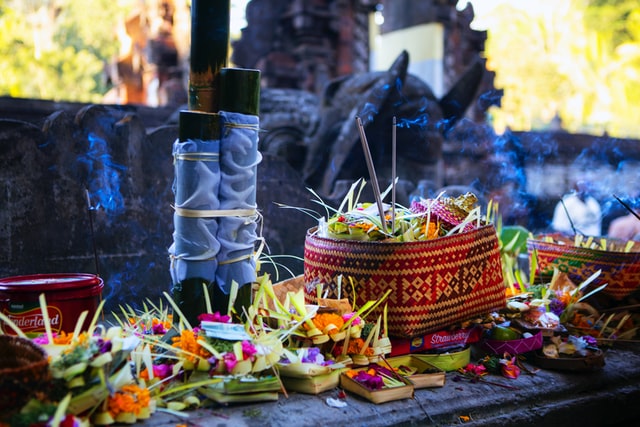


Tourists that come Bali during Nyepi experience a side of the island unlike any other time of the year. While some may find the restrictions challenging/difficult, many describe the experience as very peaceful and relaxing. Hotels make special arrangements for guests, including silent dinners and indoor activities. The lack of light pollution at night also makes for incredible views of the starry sky. Need some more inspiration for place to visit during your stay? Here you can read more about places you must visit while in Bali.
If you do not want to be on Bali during Nyepi you can always visit the Gili islands. Here you can find everything you need to know about visiting the Gili islands.

3 Nights in Ubud
3 Nights stay in Gili Trawangan
2 Nights in Candidasa
Travel with transfers included
Island of the Gods

Borneo: river cruise & orangutans
Nusa Penida: cliffs & viewpoints
Gili T: turtles & beach time
Ubud: culture & healing vibes
Adventure, nature & romance

5 nights in Ubud
3 Nights stay in Seraya
3D2N Borneo Orangutan
Travel with transfers included
Island of the Gods
Born in Nijmegen (The Netherlands), she is studying Tourism Management at Breda Univeristy of Applied Sciences. Currently she is finishing her studies at the office, from February-June 2025. During her studies she gained a lot of knowledge and experience and is ready to use this in the working field.
Nolwenne’s passion is travelling, and she loves to experience new cultures and people. This is also why she did her last internship as a marketing intern abroad. Where she gained valuable insights and experience.
SHARE THE POST WITH YOUR FRIENDS